Here.Motor selection in progress You'll see it in "CCW and CW (difference and meaning of motor rotation direction)A note on "The
The topic came up the other day when teaching design,Difference between CW and CCWThe following is a list of the images with a diagram so that the reader can see the
CCW, CW (direction of motor rotation)
CW is clockwise
The direction of rotation CW of the motor is the axis, i.e.Turn to the right in the direction looking at the motor body from the motor shaft side.
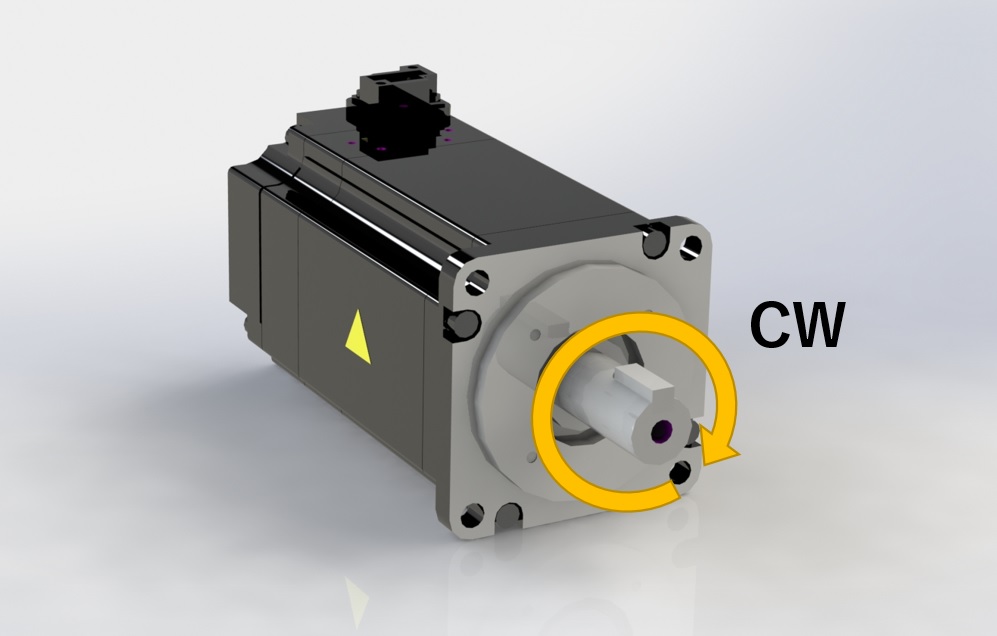
It is the same direction as the hands of a clock. Incidentally, CW stands for "Clockwise Rotation.
CCW is counterclockwise
The direction of rotation CCW of the motor is the axis, i.e.Turn to the left in the direction looking at the motor body from the motor shaft side.
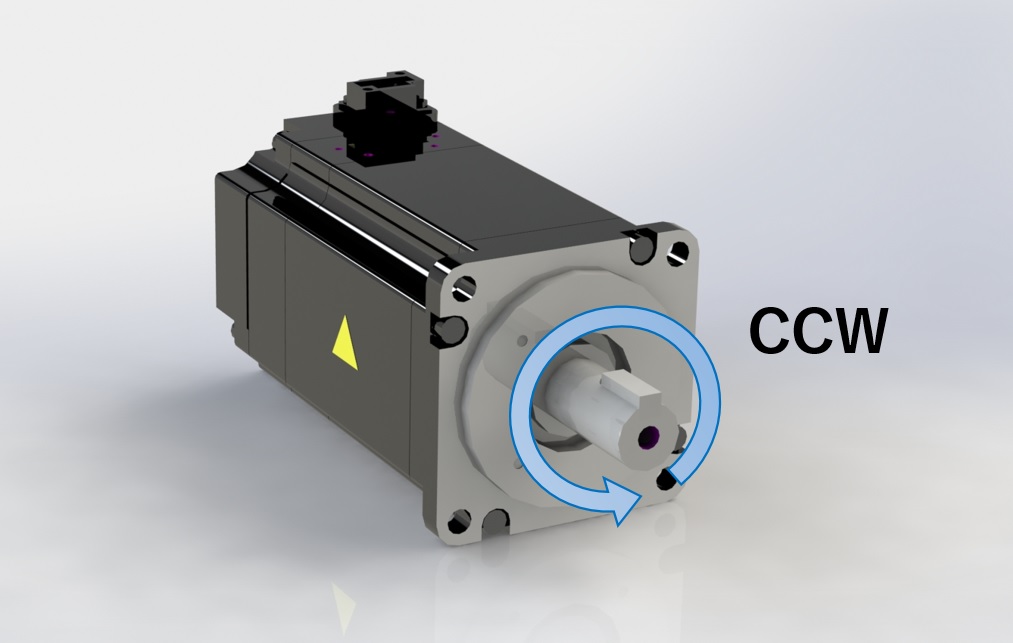
It rotates in the opposite direction of the hands of a clock. CCW, by the way, stands for "Counter Clockwise Rotation.
reference
Below is the explanation of CW and CCW for each motor manufacturer for reference.
Citation: Mitsubishi Electric Corp.
CW stands for Clock Wise and CCW stands for Counter Clock Wise. In Japan, CCW is usually used.
Citation: Oriental Motor Co.
Indicates the direction of motor rotation: CW: clockwise (forward) when viewed from the output shaft side, CCW: counterclockwise (reverse) when viewed from the output shaft side
Cited by IAI
CCW (counterclockwise)
A rotation that is counterclockwise from the axis, i.e., in the opposite direction of the hands of a clock.
CW(clockwise)
A rotation that is clockwise from the axis, i.e., in the same direction as the hands of a clock.
As described above, all manufacturers have the same meaning.Once you learn the CW and CCW of a motor, you don't forget it, but novice designers sometimes get confused.
Because it's hard to understand. LOL.
If you forget, please use this page.
That's it.
-

-
A Complete Guide to Motor Selection and Types [For Mechanical Designers].
This section provides notes on the types of motors that many people may have trouble selecting when designing a machine. In machine design, motor selection is an important factor that determines the performance of ...
See more.