Today, we are going to discuss the "Difference between Type 1, 2, and 3 magnet wires (electric wires)This is a note about "The This is a summary of what I recently studied during a product using magnetic wire.
What is Magnet Wire?
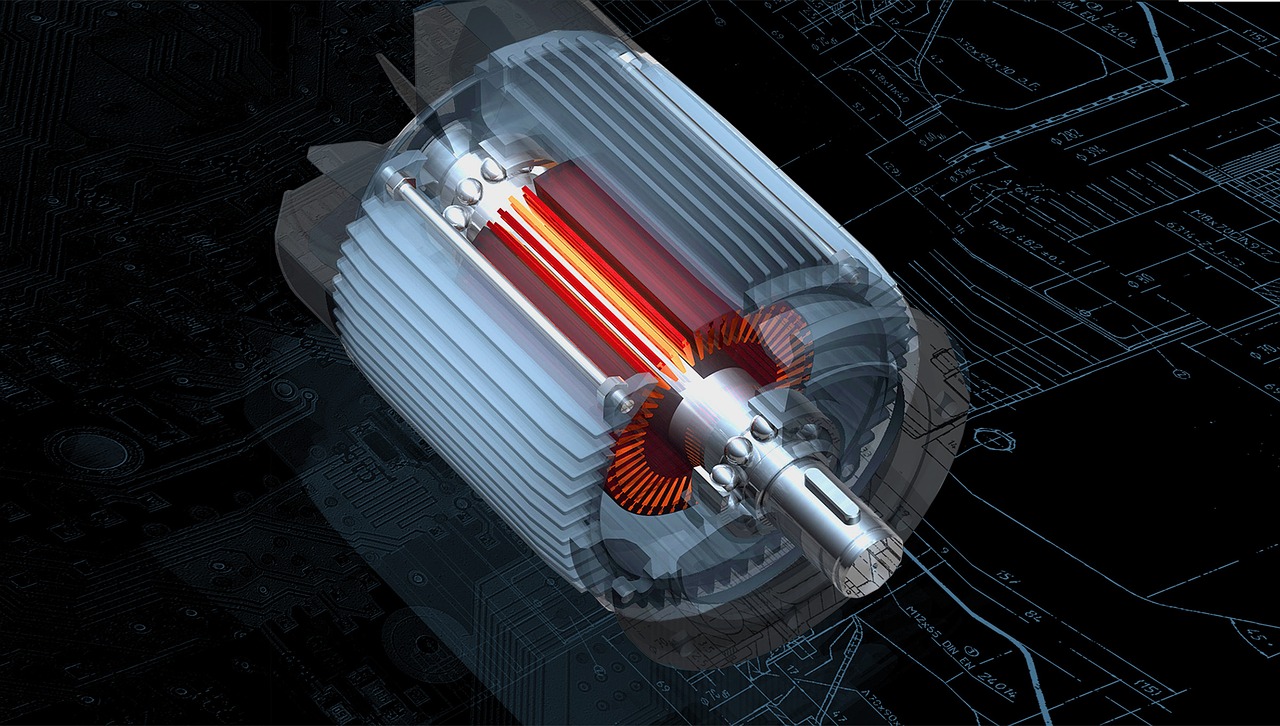
Magnet wires are used as coils in electrical equipment and play a very important role in converting electrical energy into physical energy and vice versa.
Types of magnet wire, summarizing the differences between types 1, 2, and 3
(1) Different thickness of the film
Magnet wires are classified into different types according to the thickness of the coating. An overview is given below.
- Type 0: Thickest coating
- Type 1: Thick film
- Type 2: Thin film
- Type 3: The one with the thinnest film
As shown above, Type 0 is the thickest and Type 3 is the thinnest. The thickness of this film is also the part that affects rare shorts, so please be careful of rare shorts when handling magnet wires.
Reference:What is a rare short? How to prevent rare shorts from occurring.
Insulation strength
Insulation strength becomes stronger as it approaches 0 class.
(iii) Difference in the resulting number of windings
Magnet wire is often used for wrapping around an iron core, for example. If the above is the case, we would prefer to use 0 or 1 type magnet wire, which has the highest insulation strength, but if space is limited or a low withstand voltage is acceptable, 2 type magnet wire is sometimes used. This is because the outer diameter of Type 1 is thicker than that of Type 2. Therefore, magnet wires with thicker coatings, such as Type 0, are not suitable for space-saving.
Concept of using magnet wire
When using magnet wire, whether using Type 1 or Type 2 with a thicker coating, it is necessary to fabricate the actual equipment, apply the voltage to be used in that equipment, and determine how much the coil itself will rise in temperature.
For reference, most motor internals are type 1, and most electromagnetic brakes are type 2.
No matter how thick the film is, if the voltage and resistance given to the magnet are not balanced, the temperature will rise too high and the film will melt, causing a rare short. To begin with, that is a design problem.Based on those results, it is necessary to consider which magnet wire is appropriate based on the heat resistance class of the magnet wire. If the heat resistance class is the same, the thicker the wire, the better the insulation properties.
Reference: Heat resistance class of magnet wire
- UEW: Heat resistance class E 120°C (polyurethane copper wire)
- PEW: Heat resistance class F, 155°C (polyester copper wire)
- EIW: Heat resistance class H, 180°C (polyesterimide copper wire)
- AIW: Heat resistance class N, 200°C (polyamide-imide copper wire)
- PIW: Heat resistance class R, 220°C (polyimide copper wire)
That's it.